What to do, what to do? In times of Covid, travel restrictions and our own uneasiness have made David and I less willing to travel. Normally we might go to Europe, or try some other far-away place, but the state of the world being as it is, in late summer we opted to drive to Maine.
Last October, I went to the Mount Desert Island area for the first time, to take a four-day kayak instruction course. The course was great, but also the venue was eye opening. While I’ve been to Maine regularly over the past several years, it’s always to the same coastal area nestled between the Kennebec and Sheepscot rivers.
In particular, the area has some great kayaking, and we organized our trip around two days of “rough water”. I put that in quotes because the ocean was, in fact, quite tame while we were there, but we did get some good experience on a reversing falls known as Sullivan Falls.
I’ll write about that separately. Here is what to know about our travel on the way up.
We got off to a later start than we would have liked; partly this was because I had to run into Manhattan early to meet a contractor, to get the final stages of my apartment done. Then I raced back to the house to find that things still needed to be packed and boats placed on the car (the Prius, or as I call it the Prubaru, the Prius we treat like a Subaru).
We were on the road by . . .11 AM? We had already changed plans to meet a friend of David’s near Boston and possibly overnight, but that friend was busy with packing and preparing for his own vacation, so we wouldn’t come in until the evening. Boston is only a four hour drive, typically, so what might we find to kill some time along the way?
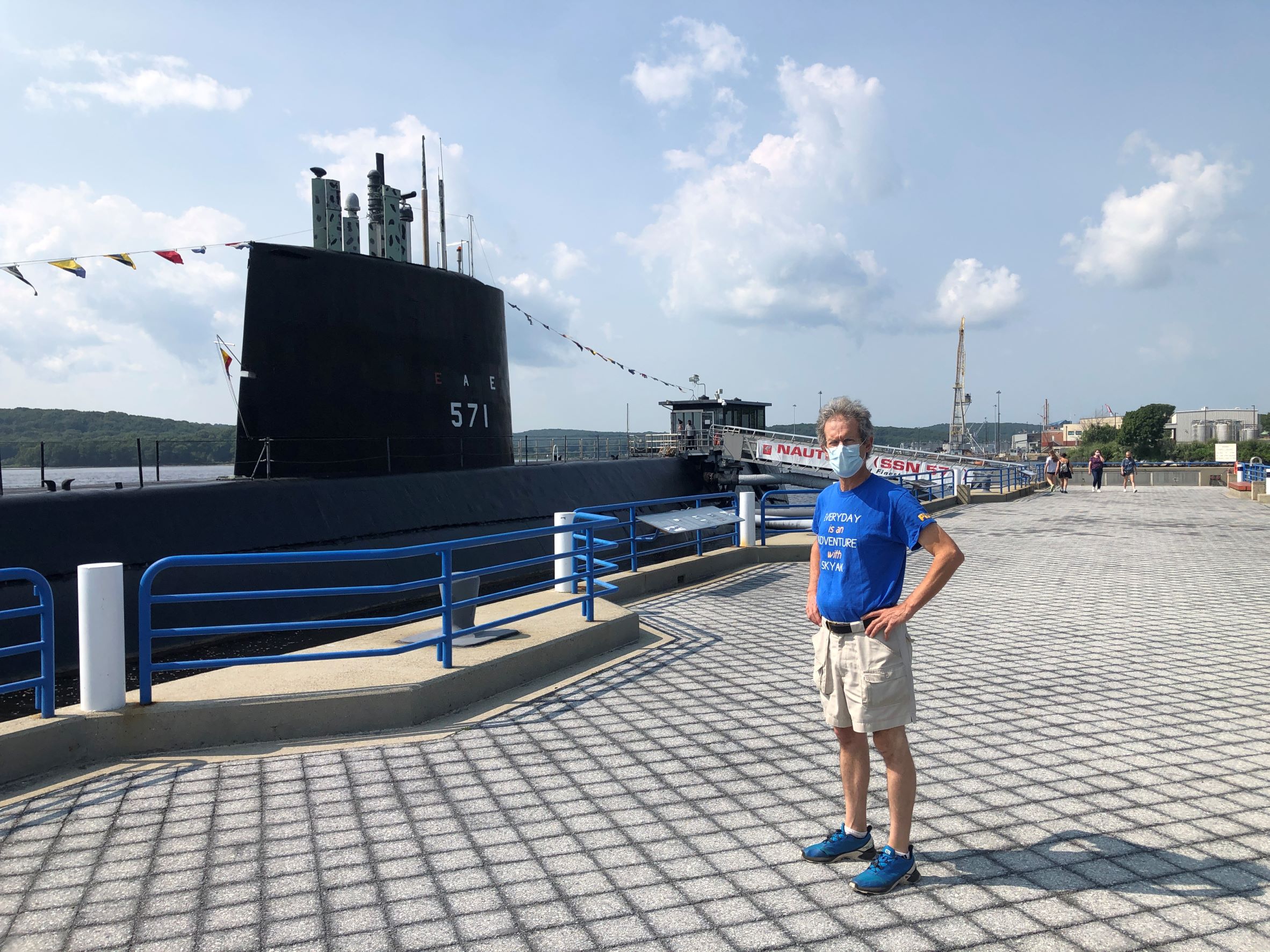
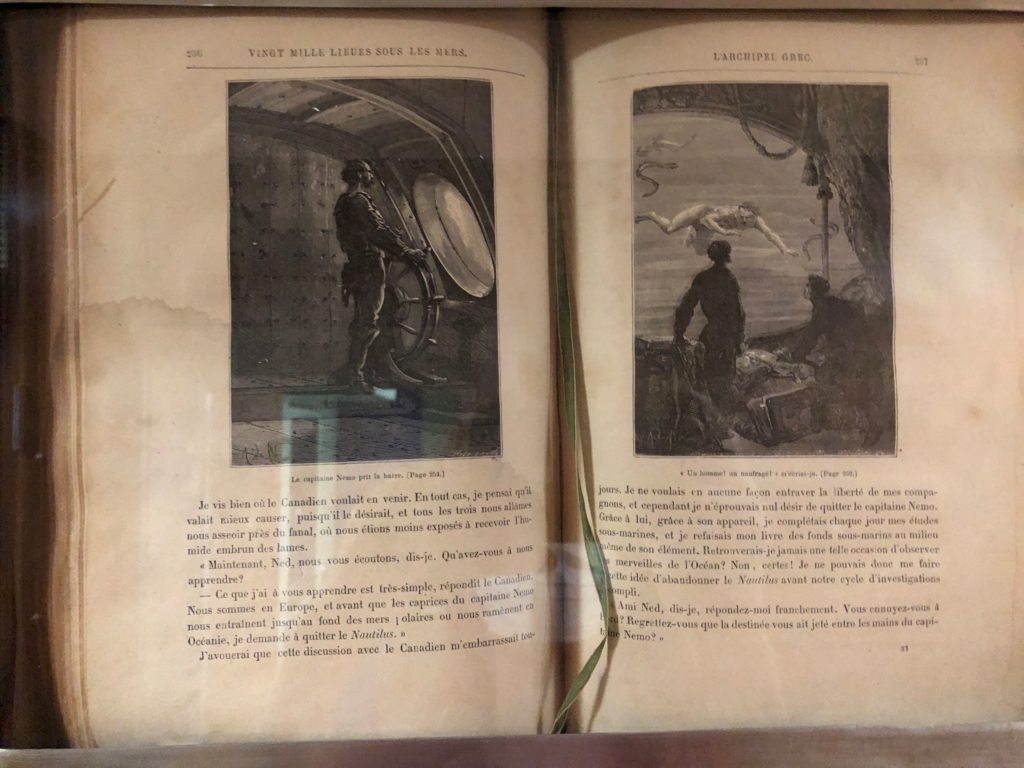
That’s right, the submarine museum in Groton, Connecticut. I’ve driven past signs for it so many times, and David and I are both technically-minded people familiar with various submarine lore. The Nautilus is parked there for touring; the world’s first nuclear submarine, named for Jules Verne’s famous vessel captained by Nemo.
We’d get there just in time to catch the last hours of the museum.
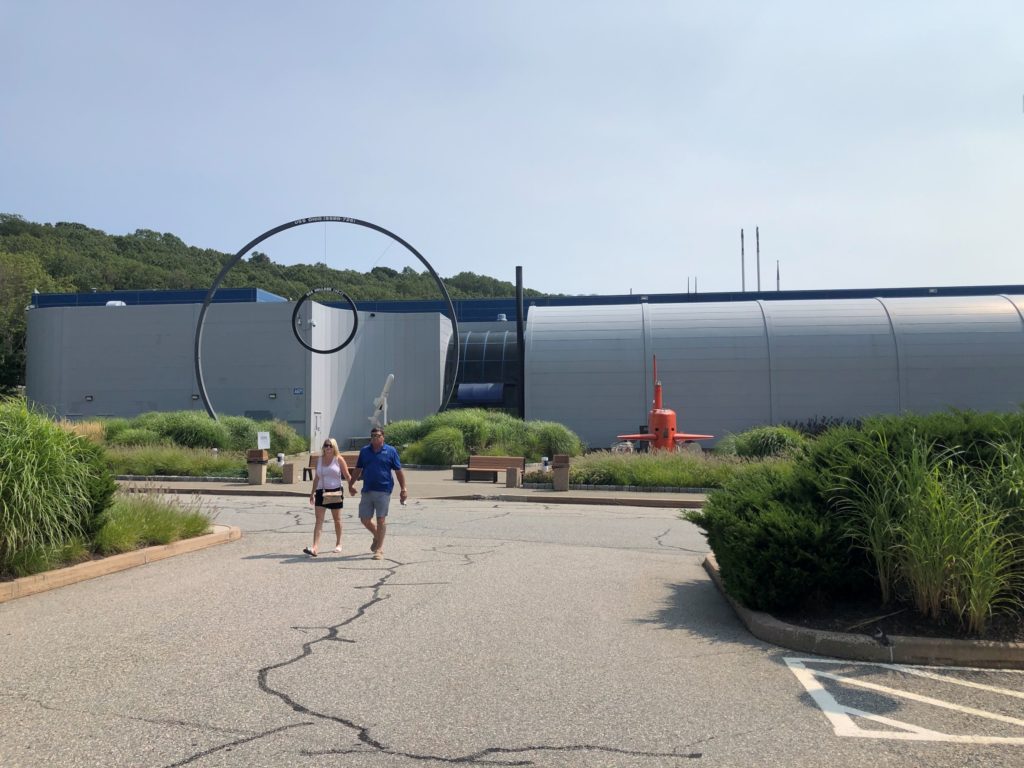
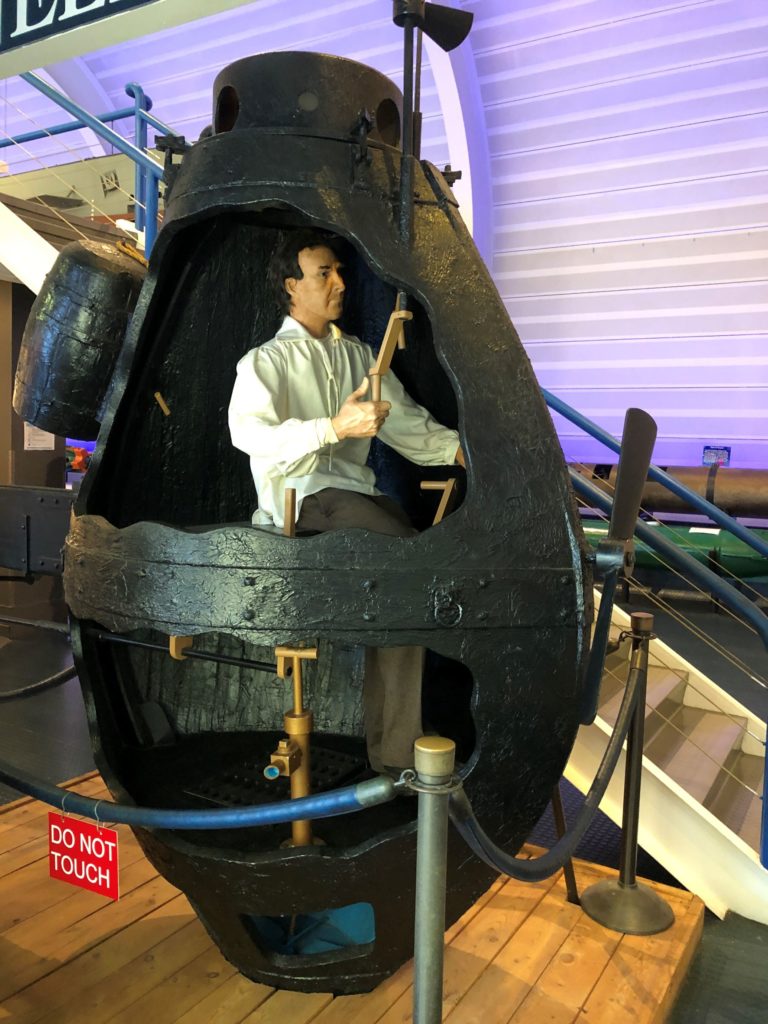
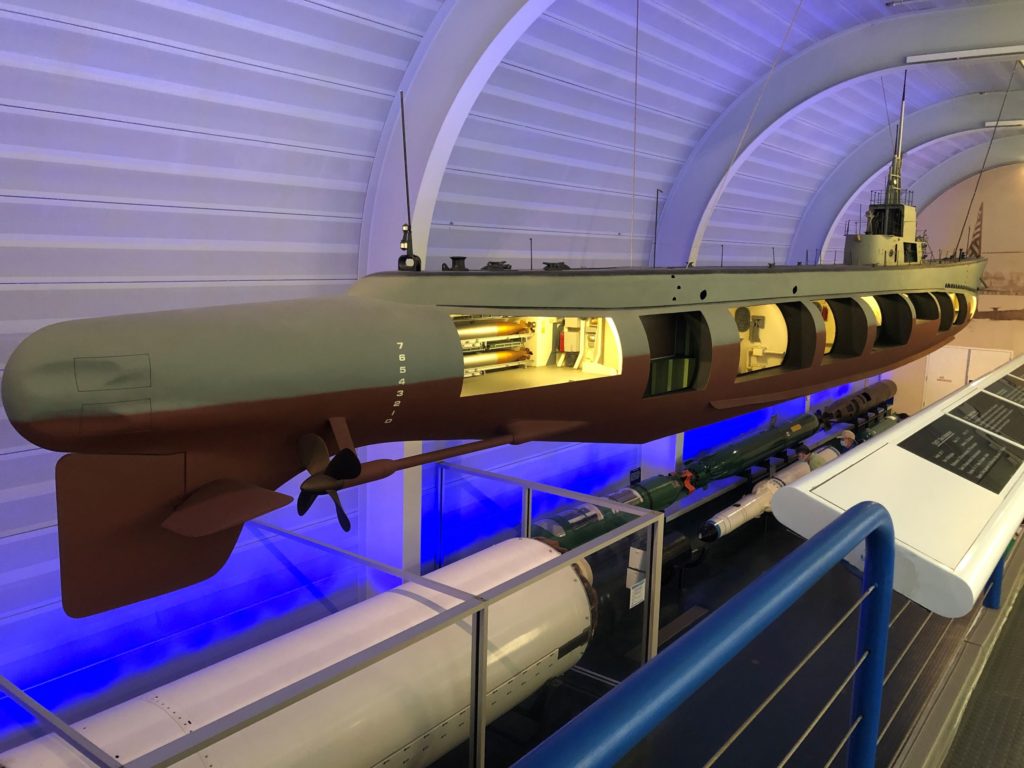
One thing to keep in mind is that this is a military museum. On the one hand, the military has funded a lot of submarine research; the dive tables most scuba divers use today were worked out by Navy researchers. Many of the most dramatic, and also tragic, stories of submariners are of military vessels. Even the ship commonly credited as the first American submarine, the Turtle, was essentially a foot-pedaled barrel intended to attach an explosive to British warships during the American Revolution.
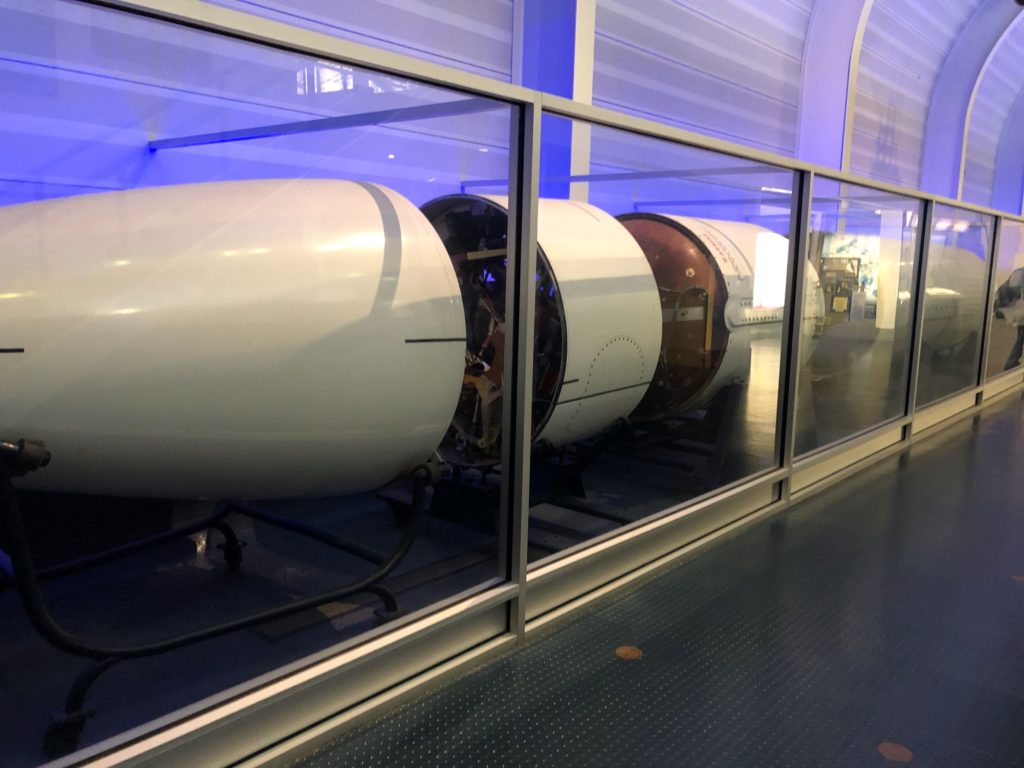
On the other hand, after a while, it was clear that a significant portion of the museum was devoted to the Silent Service, submarines deployed during World War Two. In the back of one wing are the stages of a Polaris missile, the first submarine-launched ballistic missile developed by the United States. A small hall of heroes details stories of bravery by submariners in the service, and the final wing glides through various develops during the Cold War.
The one cool thing we found was that in a hands-on area apparently intended for children, the periscopes were real, and we could look out on the parking lot – to check on our kayaks, of course! We could even point the periscopes at each other, and wiggle for a friendly little wave.
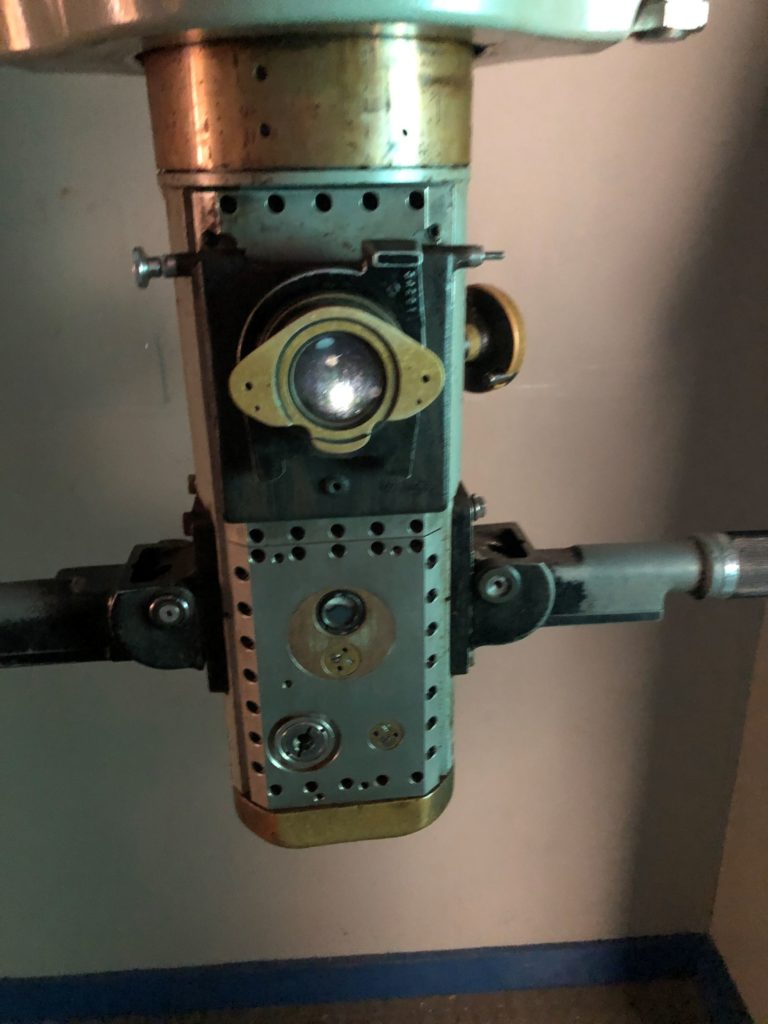
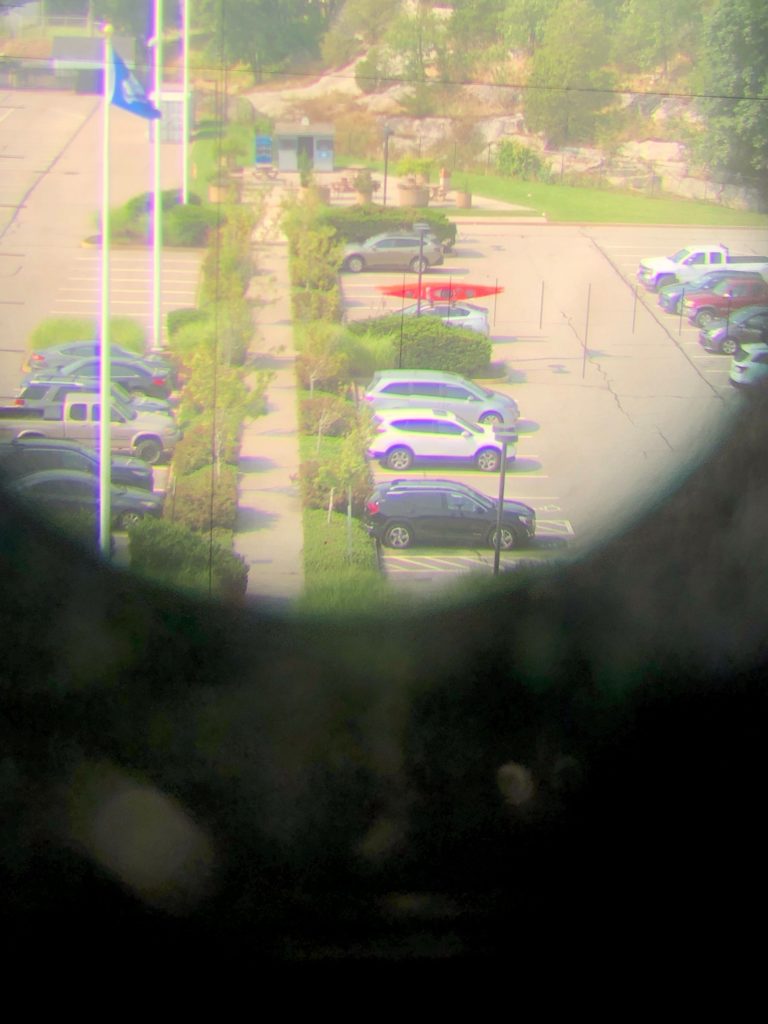
The Nautilus, of course, was the centerpiece, and the first thing we visited. If you’ve toured other decommissioned ships, the experience is much the same: the halls have been widened for better touring, dioramas with near-lifesize mannequins have been set in a scene, and much of the old machinery and electronics are still in place, with placards describing their history and purpose.
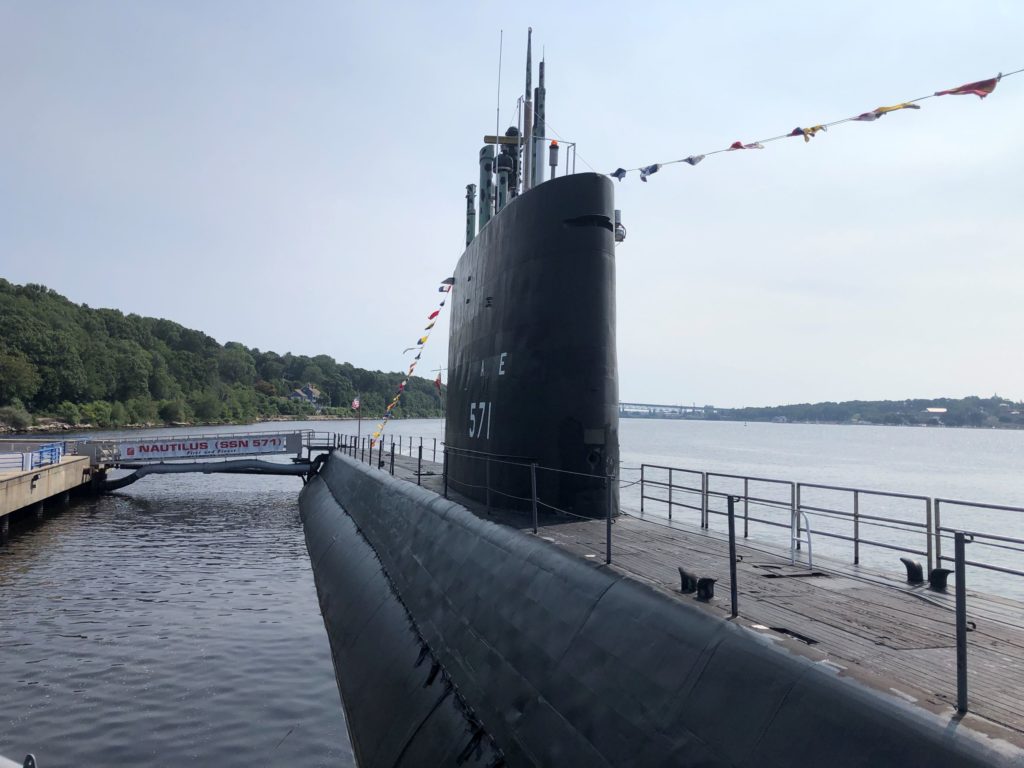
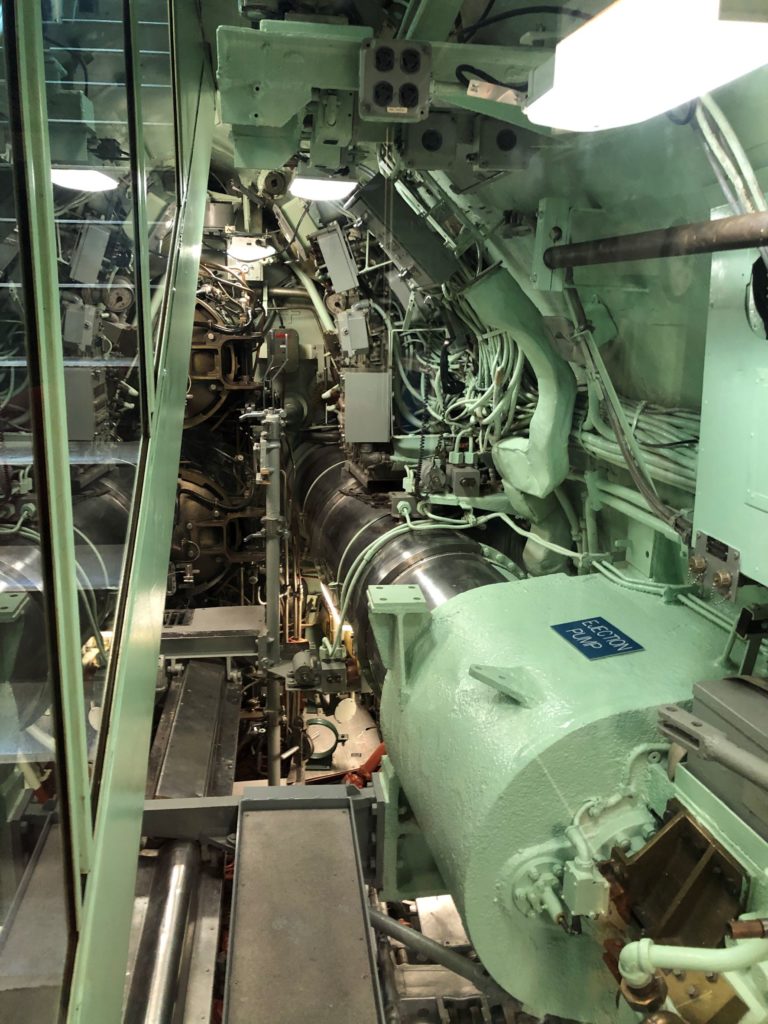
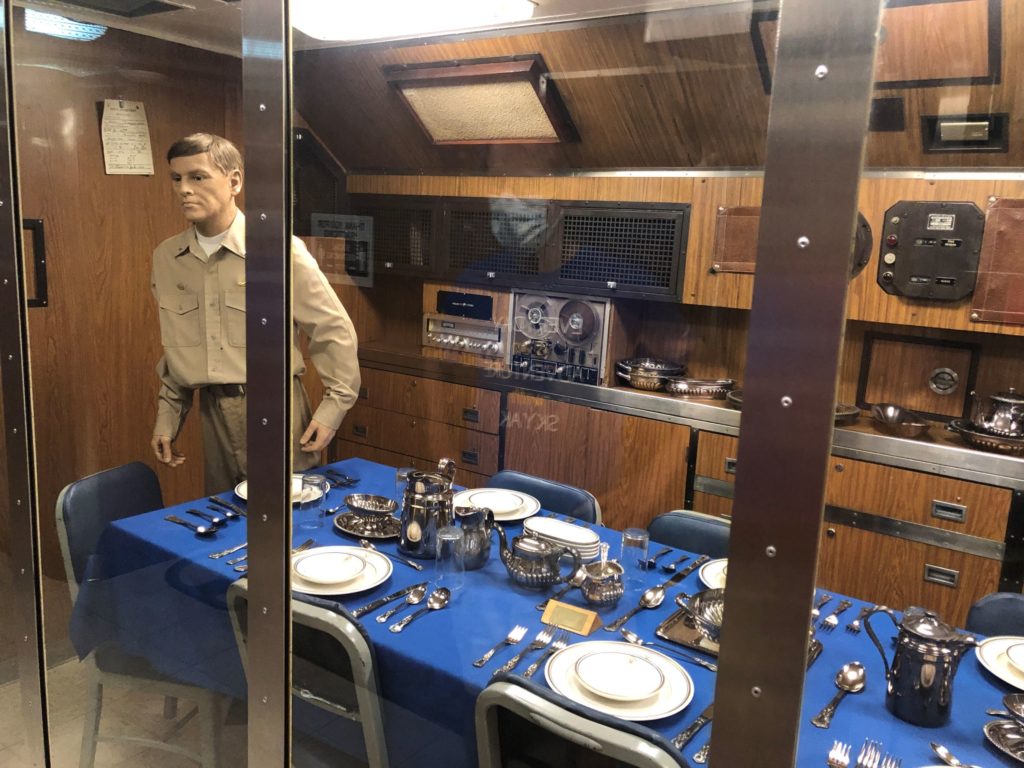
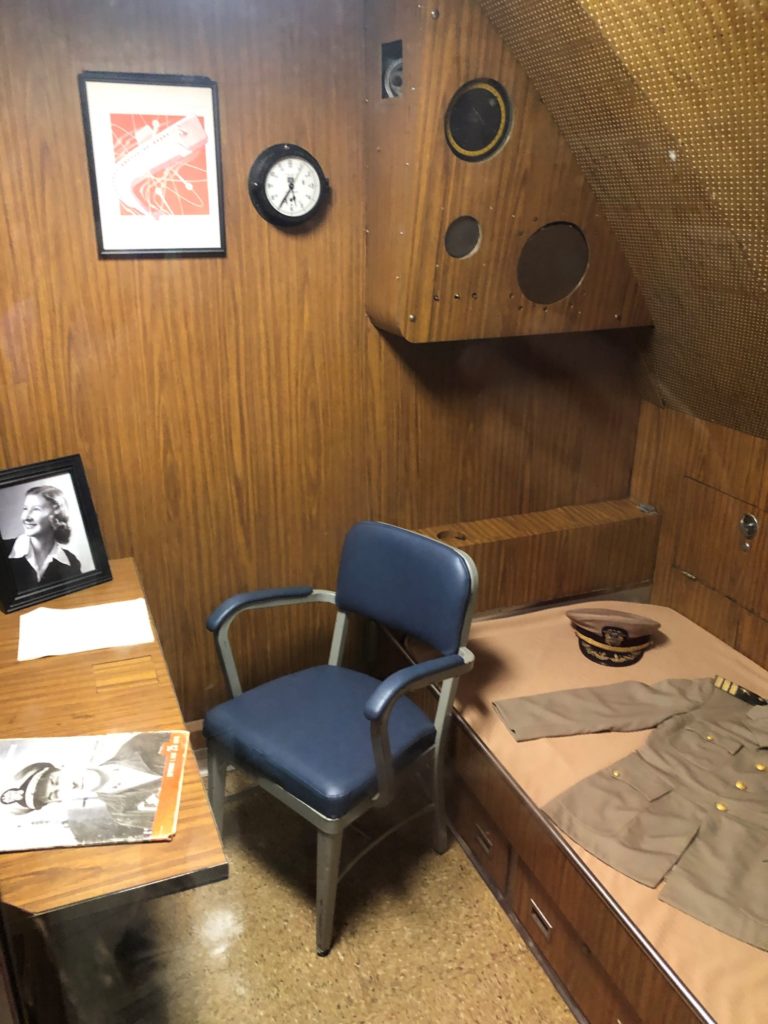
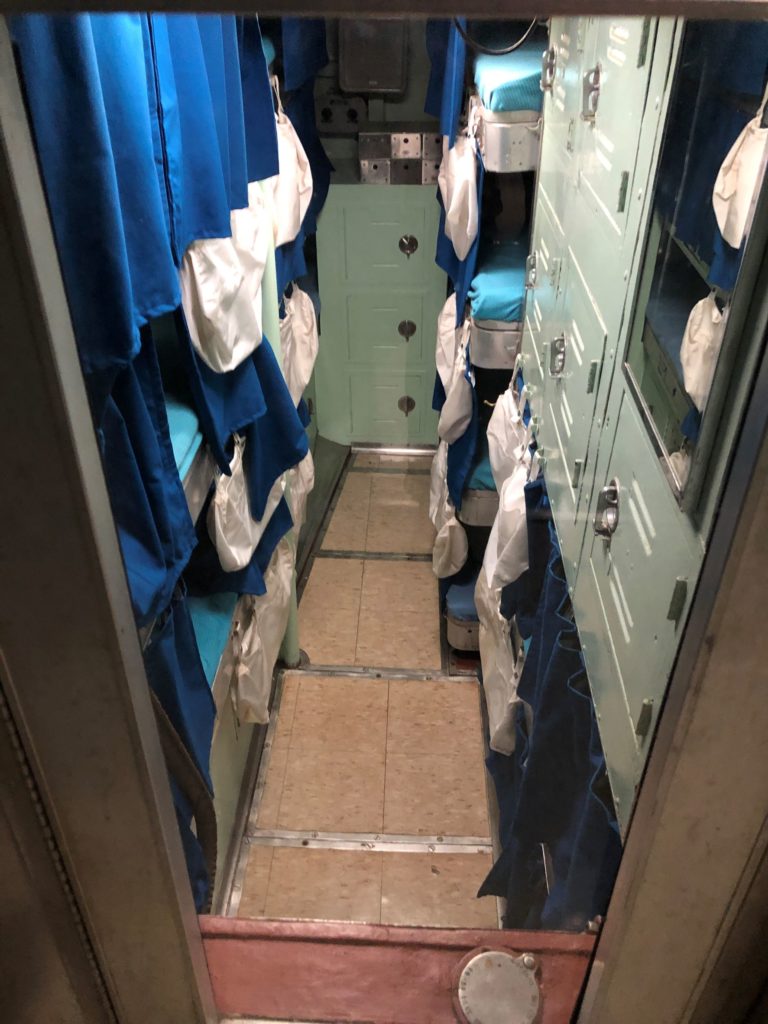
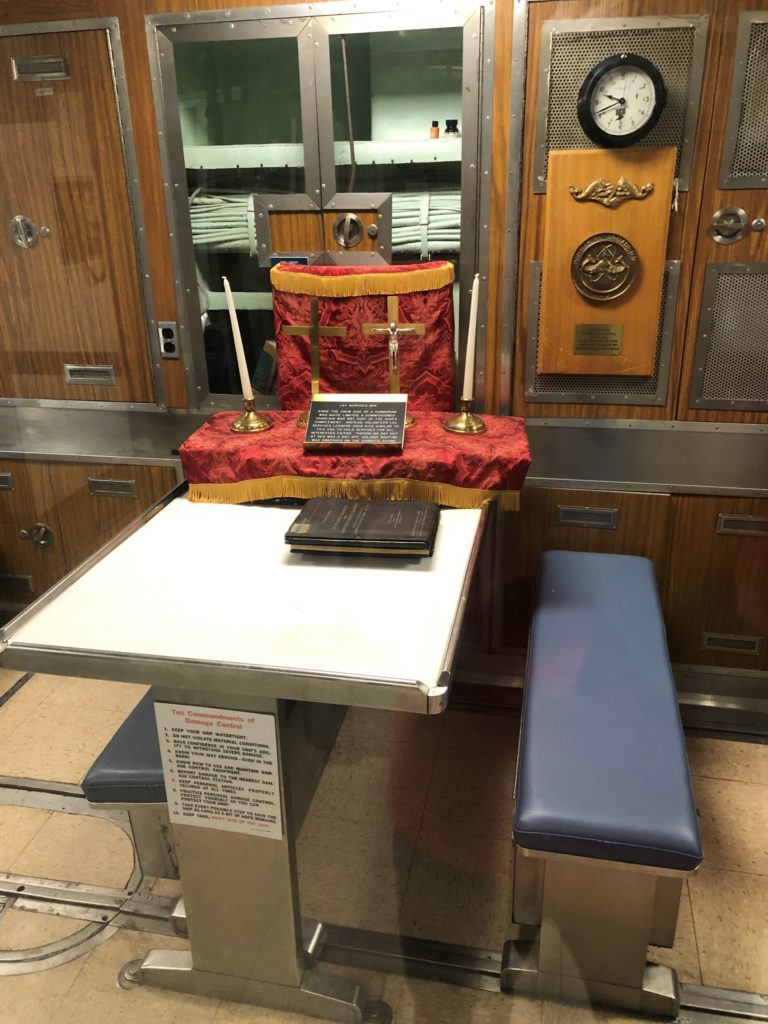
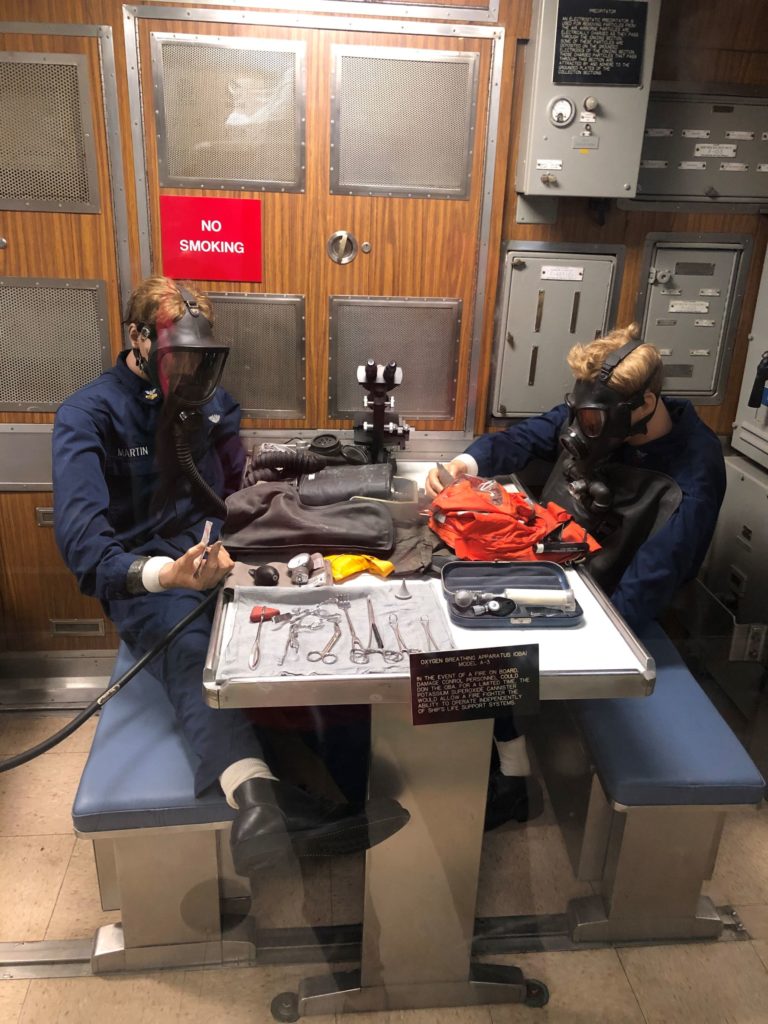
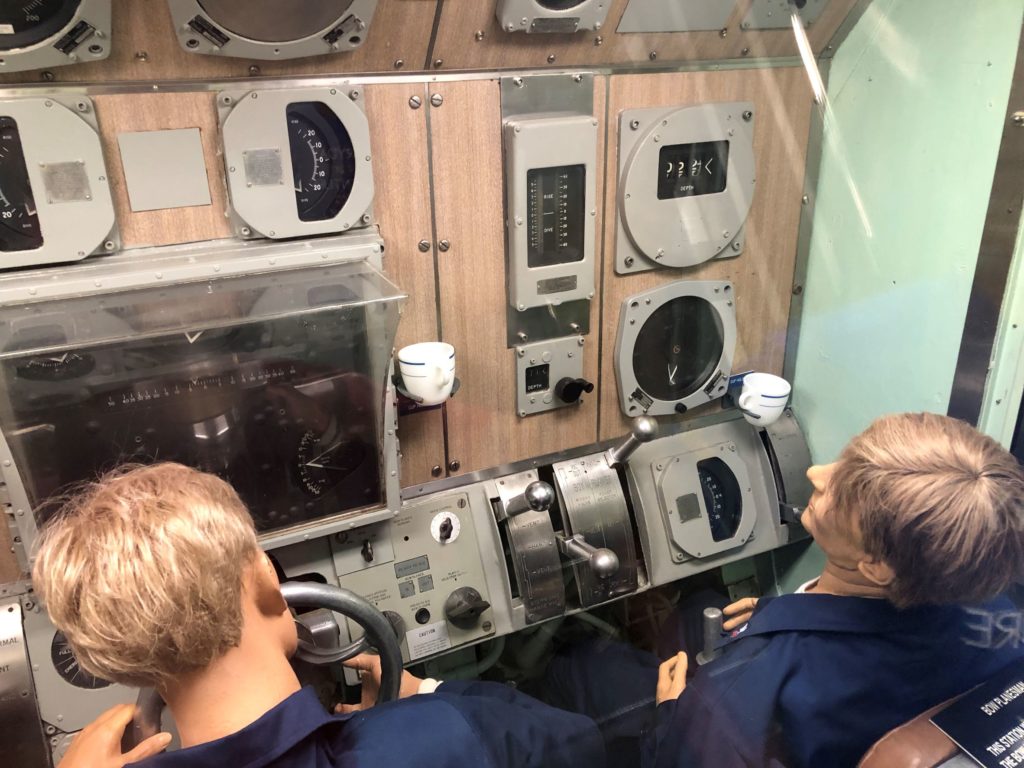
The ship is quite a throwback for our era of location services in our phones and easy communications of all means. How would a submarine know it was at the North Pole? How would a message be sent from the depths of the sea? Just how tight was the bunking? Pretty, tight, it turns out.
We stopped in Mystic afterwards, studiously avoiding the famous Mystic Pizza in favor of a themed pub. Thence, we continued our drive to Woburn, MA, to meet the friend, have a chat, and sleep.
The next morning we lingered over coffee and admired the backyard from a raised porch; the yard slopes steeply away, and an impressive bird feeder dangles high from a tree, at a far enough distance that the birds could eat peacefully while we watched them.
We set out to complete our journey to Maine the next day. After following the interstate up to Bath, we took the scenic route, the old Route 1, more or less as we normally might for our usual destination, but continuing past that through a string of coastal towns. We stopped for a recommended hike along the way, at Mount Magunticook.
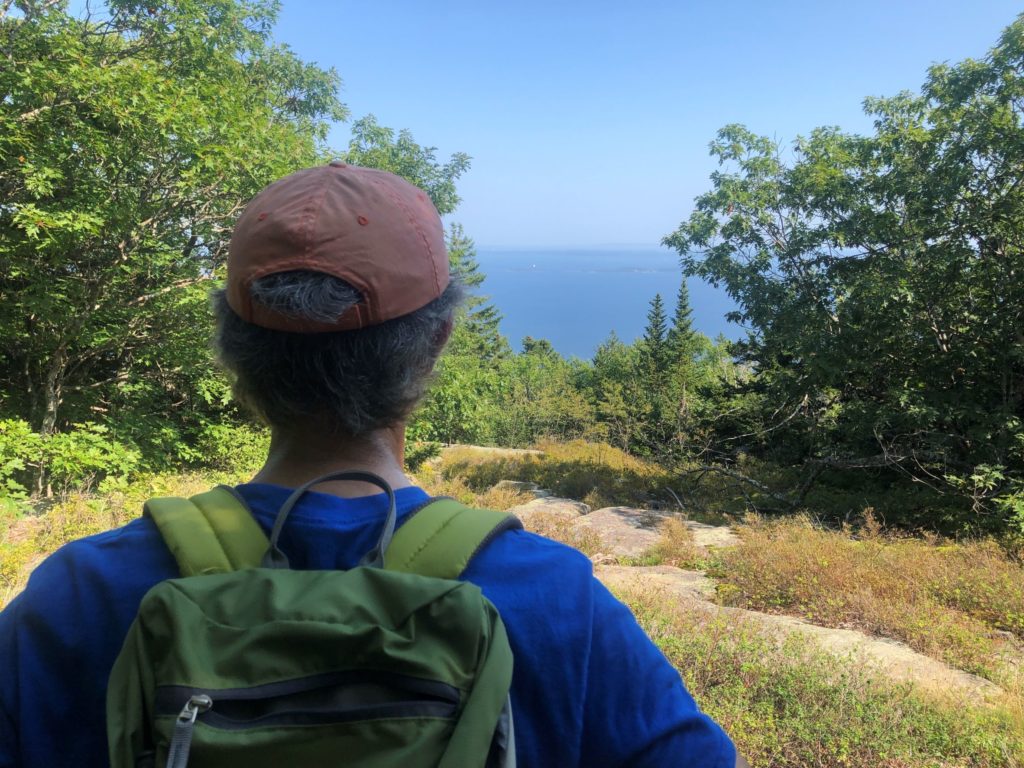
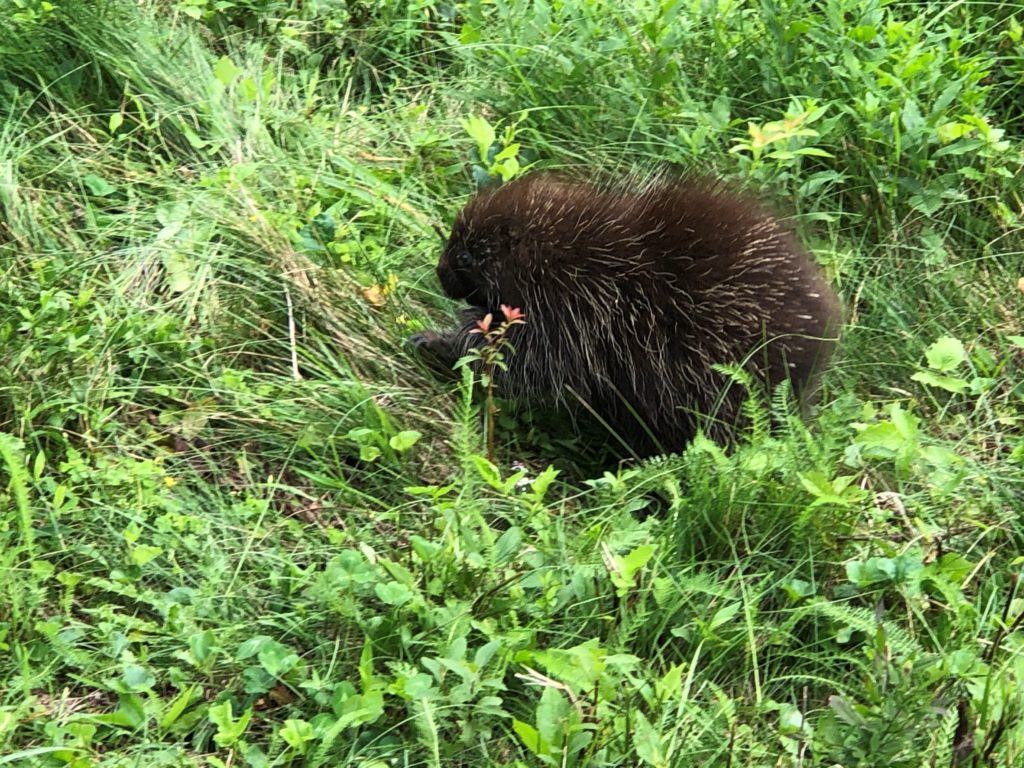
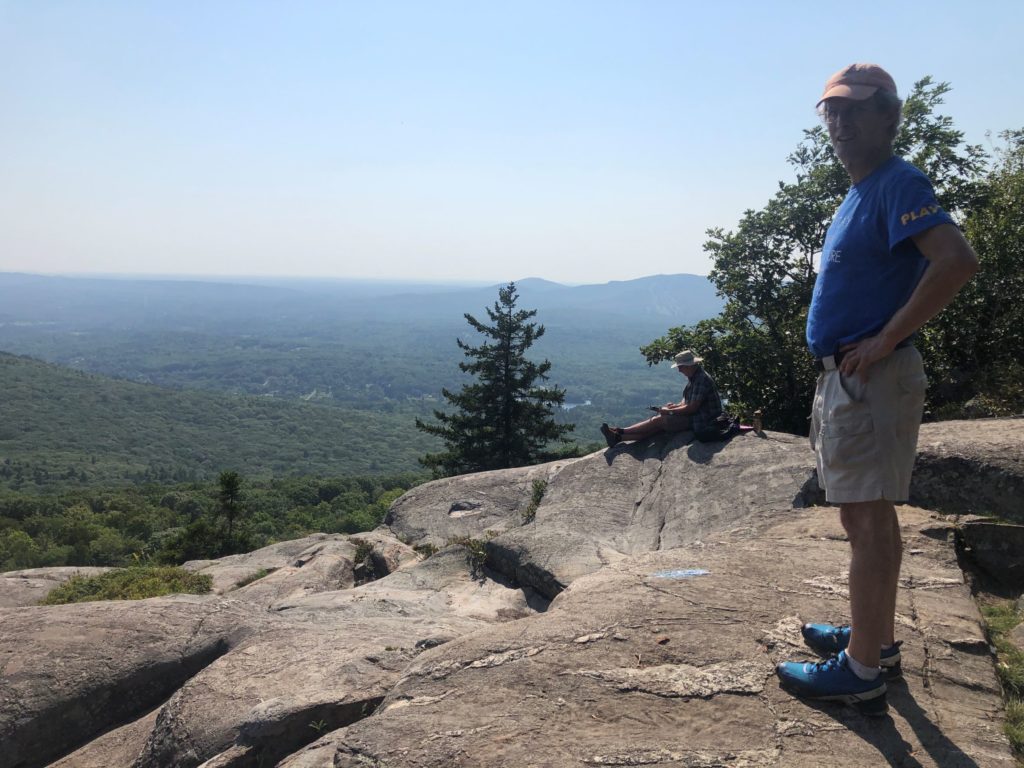
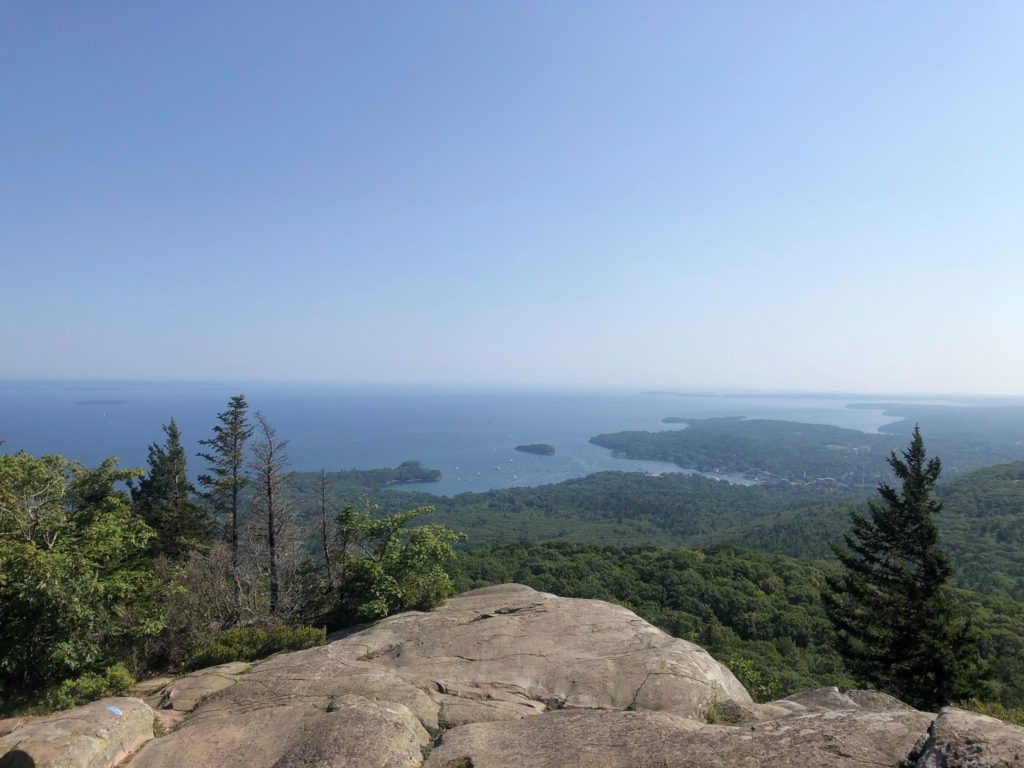
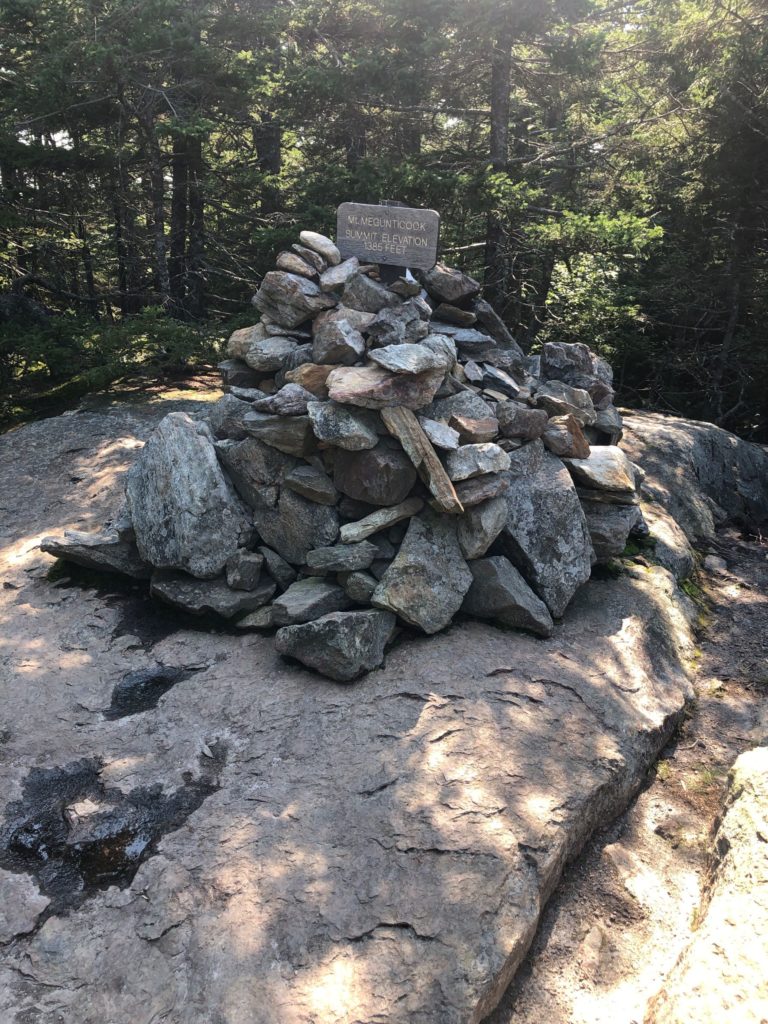
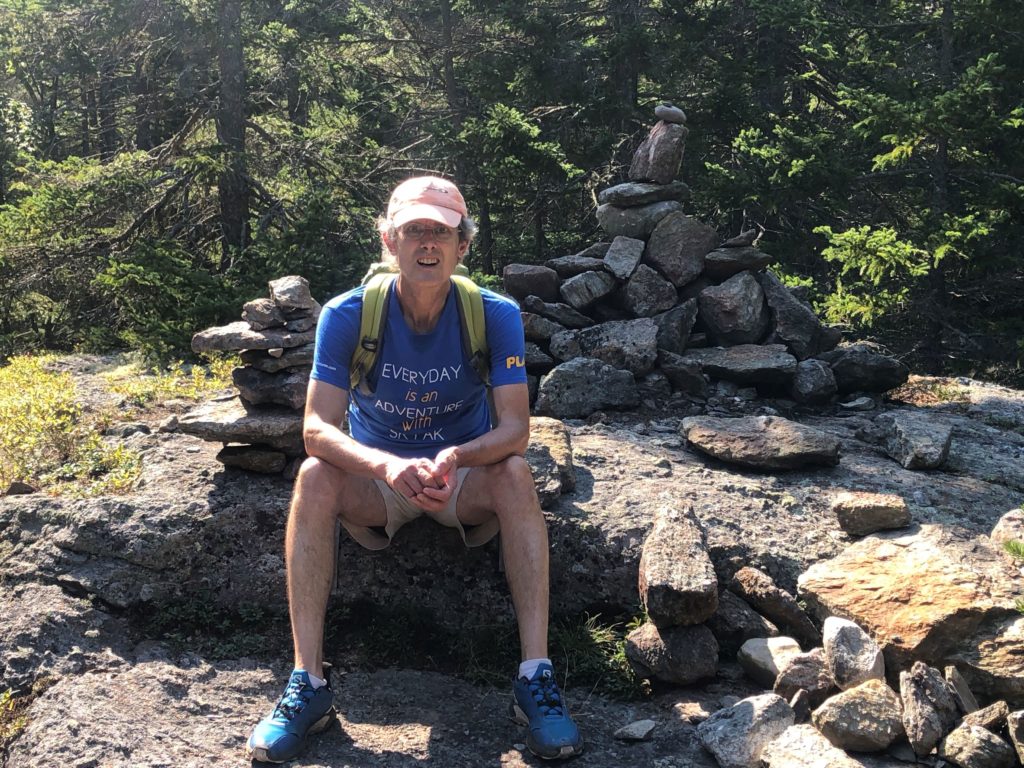
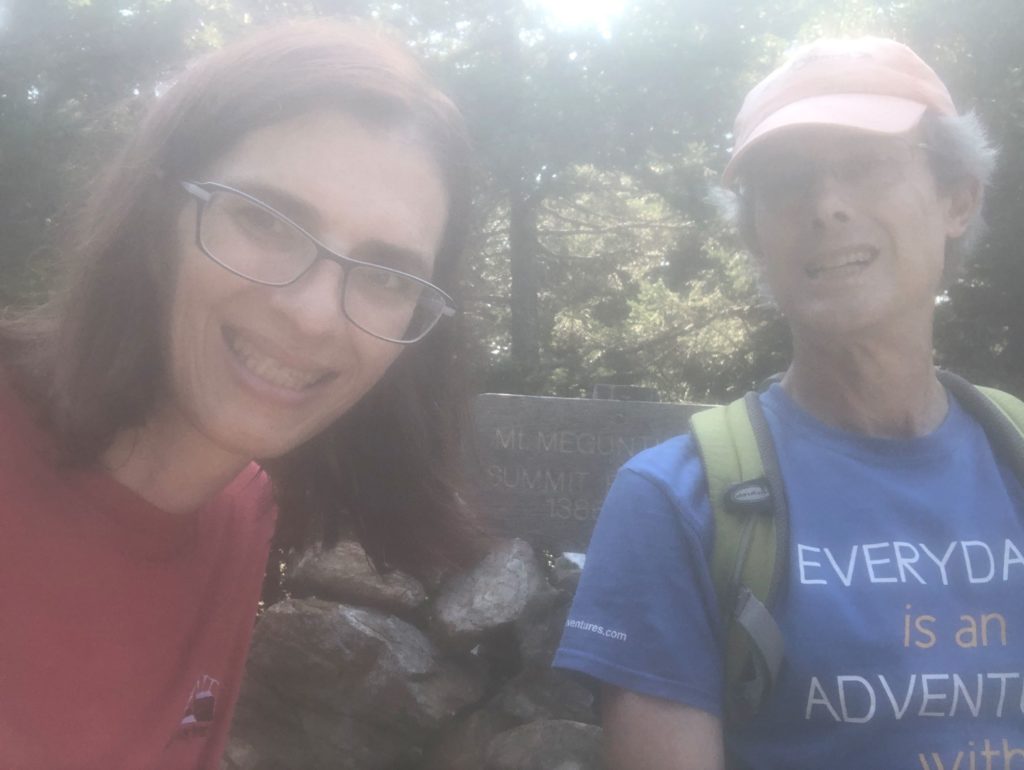
It was a very pleasant hike. After that, we drove on in to Ellesworth, checking into our hotel with no direct interaction with a human being: the guest policy and lock code for our room was texted to us, we parked and unloaded, and then had dinner. The room would be our home for the next few days.